
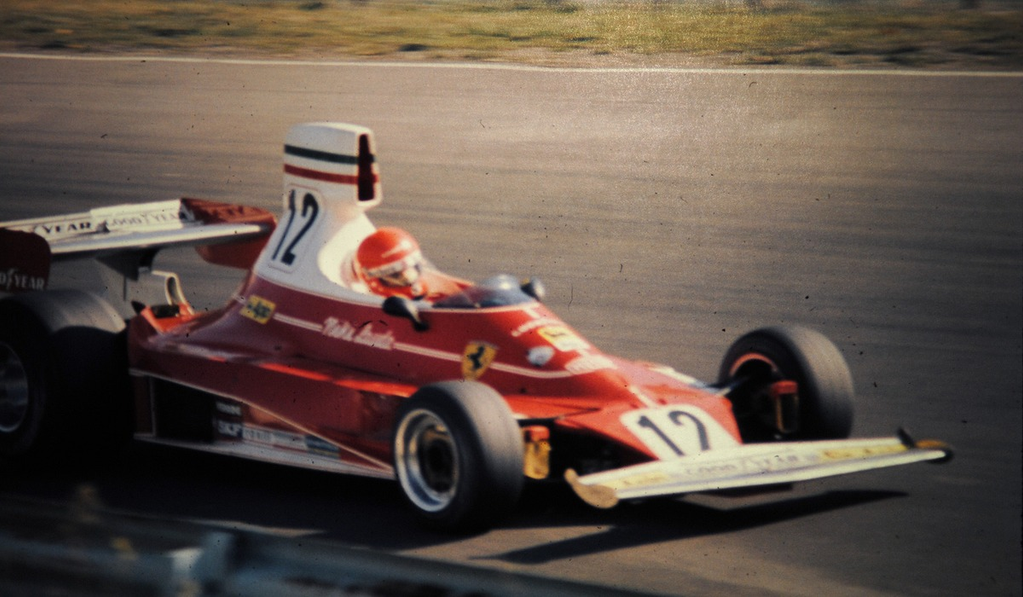
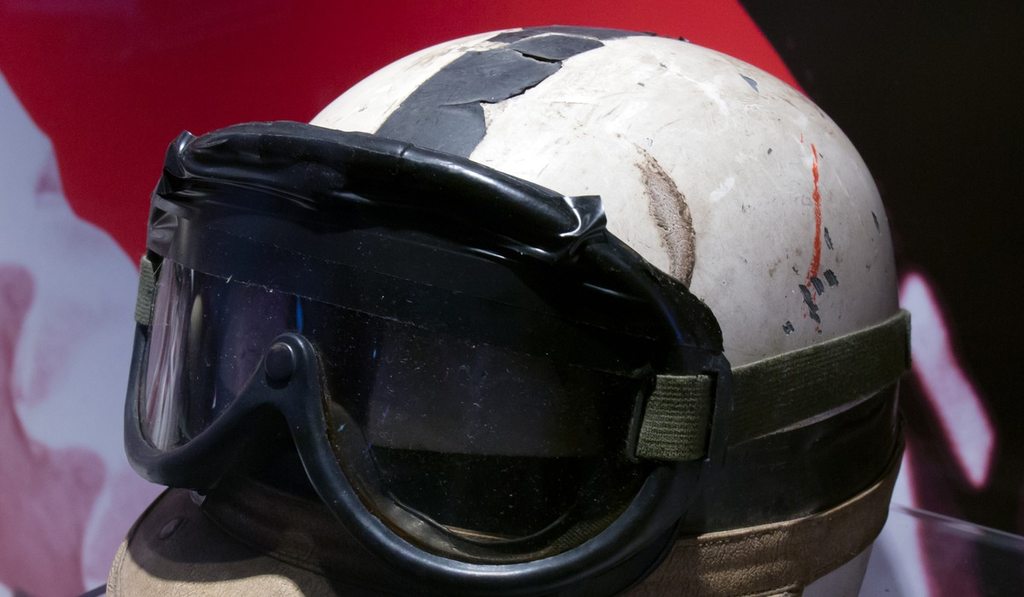
In 2020 in Bahrain, while Romain Grosjean was trapped in a damaged vehicle, my coffee turned cold. This was going on for 28 seconds. During that time, I was thinking about all the modern technology: the survivor cell, data behind the barrier, and the people running to Grosjean where he once was until a fire incased his car.
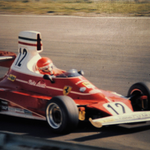
In 1976, Niki Lauda sat in his car for 55 seconds at the Nürburgring. Fire was produced by a broken fuel tank, and the race was stopped by only four other drivers. At that time, a priest gave him the last rites in the hospital. Six weeks later, he came in fourth at Monza with blood soaking the bandages.
While this is widely known, I am interested in what happened in the next 43 years. One reader asked me which driver I would give my team to, and I keep thinking about this question.
The numbers first
| Career record | Detail |
|---|---|
| Born | 22 February 1949, Vienna |
| Died | 20 May 2019, Zurich, aged 70 |
| World championships | Three, in 1975, 1977 and 1984 |
| Grand Prix starts | 171, from 177 entries |
| Wins | 25 |
| Pole positions | 24 |
| Podiums | 54 |
| Teams | March, BRM, Ferrari, Brabham, McLaren |
| Final win | Dutch Grand Prix, 1985 |
Career figures as published by Formula 1 and the Mercedes team, checked in September 2026.
How did he arrive here
The family was rich, came from Vienna, and was not interested in the world of motor racing at all. At the beginning of his career, he received funding from bank loans against life insurance, which shows a lot about this man’s character.
The process of racing started with driving a Mini, after which he graduated to Formula Vee, then to Formula Three and Formula Two only to end up racing in Formula 1. Financing for that came in the form of bank loans; I had spent a small part of the desired amount in my own racing career but had to pay out the entire amount; therefore, I do not find the idea of using one’s life as collateral especially appealing. It was Clay Regazzoni who recommended him to Ferrari for the season of 1974 when he achieved the fourth position in the championship before winning in 1975 with five victories at the age of just twenty-six.
1976, in the order it happened
| 1976 | What happened |
|---|---|
| Mid-season | Five wins, and the championship looks settled |
| German Grand Prix | Crash on lap two at the old Nürburgring, the car burns, four drivers pull him out |
| In hospital | Burns to head and wrists, broken bones, lungs damaged by fumes, last rites administered |
| Six weeks later | Returns at Monza and finishes fourth, with blood through the bandages |
| Fuji finale | Withdraws after two laps in torrential rain, saying the conditions are not worth it |
| Final margin | Hunt takes the title by a single point |
Sequence from the Formula 1 Hall of Fame entry and contemporary race reports.
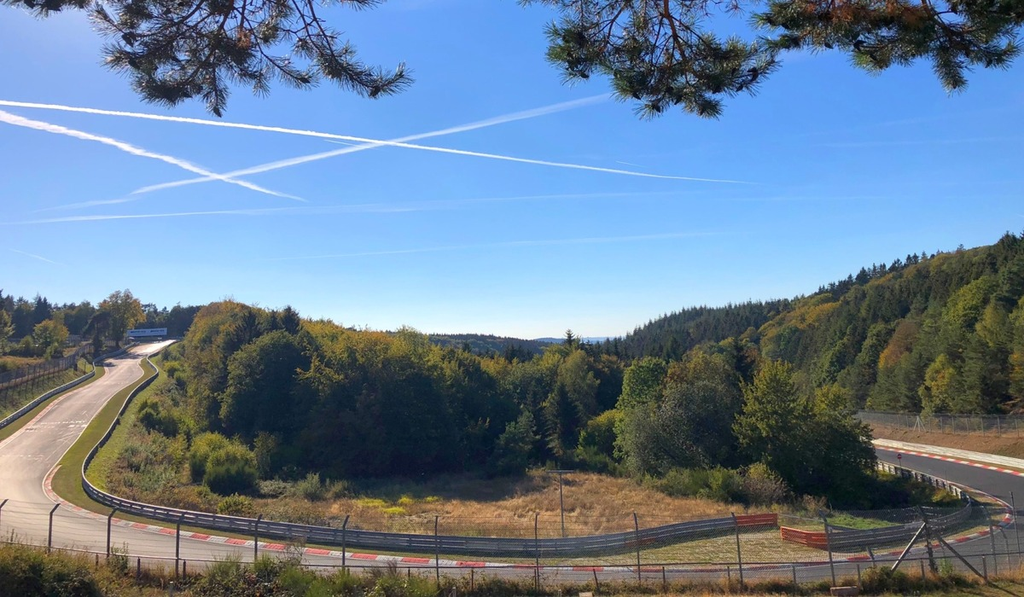
By the time the 1976 season reached the halfway mark, Lauda had accomplished five victories and it looked like he would be crowned champion. But then came the German Grand Prix at the historic fourteen-mile Nürburgring track, an experience Lauda attempted to stop through boycotting for safety reasons.
What happened during the second lap can only be considered tragic. A faulty fuel tank started the fire, Lauda being unconscious in the car meanwhile four drivers abandoned the race to rescue him. Arturo Merzario was the first one there to save him from the seat.
The term ‘miracle’ is what comes to mind in this situation. In reality, it was just a decision made by a person who understood that he still had a chance to obtain the title, thus getting back to racing again six weeks after that at Monza.
The season concluded in Fuji where Lauda left the race after two laps stating that the conditions were not worth dying for, allowing James Hunt to win the championship by one point. Lauda himself never described it as anything other than obvious.
What he did afterward
He won the championship again in 1977 with Ferrari and left the team before the season was over, which is not a thing people did. Two seasons at Brabham followed, and then, mid-weekend in Canada in 1979, he told Bernie Ecclestone he no longer wanted to drive in circles and went to run his airline.
He came back in 1982 with McLaren, for money, and said so openly. In 1984 he took his third title from his own teammate Alain Prost by half a point, the smallest margin in the history of the championship, and he did it by being better than Prost at the parts of a season that are not raw speed. He retired for good after 1985, with a final win at Zandvoort.
The business, which he took more seriously than racing
| After the cockpit | Detail |
|---|---|
| Airlines | Lauda Air, then Niki, then Lauda, the last of which went to the Ryanair group |
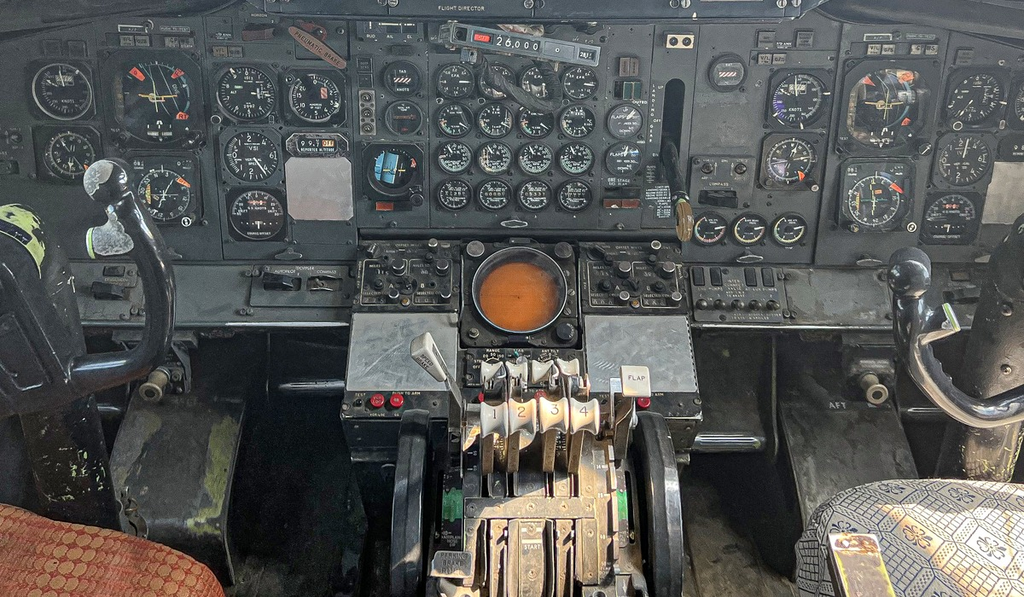
| 1991 | A Lauda Air Boeing 767 breaks up after takeoff from Bangkok, with no survivors |
| The investigation | A thrust reverser deployed in flight, and Lauda flew simulator tests to prove the aircraft could not be saved |
| 2012 | Joins Mercedes as non-executive chairman and part owner, and persuades Lewis Hamilton to leave McLaren |
| 2014 to 2019 | Mercedes wins six consecutive constructors’ championships with Lauda as chairman |
| 2018 | Lung transplant, with the damage dating back to the 1976 fire |
| 2019 | Dies on 20 May, six days before the Monaco Grand Prix |
Compiled from Formula 1, Motor Sport Magazine and Mercedes team material. Airline founding dates vary between sources and are listed in the header for checking.
Mercedes, and the phone call
He was a non-Executive chairman and co-owner of the Mercedes Formula 1 team from 2012 up until his death. The biggest thing he did there took him around a week’s worth of phone conversations. Lewis Hamilton was convinced to part ways with McLaren, where everything was running smoothly, and join the Mercedes team, which had achieved only a single victory in a span of three years.
Whatever your views on the period that followed, that phone call changed everything. The credibility Lauda had came from the fact that he had done the thing himself, badly injured, for money, for pride and for arithmetic, and had never once pretended otherwise about any of it.
The last part
The lungs that were burned during the 1976 Nürburgring accident were forever damaged, resulting in a transplant in 2018. On May 20, 2019, he passed away at the age of 70, six days before the Monaco Grand Prix. Mercedes used red halos in that race, while Hamilton wore Lauda’s helmet from 1984.
Forty-three years is a long time to complete a crash, isn’t it?
Personally, I don’t think of the return itself, as this story has been told too many times and has lost most of its interest for me. Fuji is, however, the story worth mentioning as coming back to the car in Monza implies a type of bravery that can be appreciated by anyone. Leaving the car in Fuji demonstrates a different, unappreciated by anyone kind of bravery.
What readers ask about Niki Lauda
Three, in 1975 and 1977 with Ferrari and in 1984 with McLaren.
Burns to his head and wrists, broken bones and lungs damaged by toxic fumes. A priest administered the last rites in hospital.
Six weeks. He returned at Monza and finished fourth, with bandages still bleeding under his helmet.
He withdrew from the final race at Fuji after two laps, judging the rain too dangerous, and Hunt took the championship by one point.
He built airlines, worked as a team manager and consultant, and from 2012 was non-executive chairman and part owner of Mercedes.
He died on 20 May 2019, at seventy, from complications after a lung transplant. His lungs had been damaged in the 1976 fire.
Jake Holloway is a club racer, track-day instructor, and motorsports editor based near Charlotte, North Carolina. He has raced karts, Legends cars, Spec Miatas, and amateur endurance cars, and he writes for GreenyCars about how racing actually works, from the rule book to the pit lane.
More Stories
Pirelli F1 Tires Explained From Compounds to Warm-Up and Degradation
DRS in F1 and What Replaced It for 2026
How to Become an F1 Driver When Karting Is Only the First Step
The F1 Power Unit Explained and Why the Lap Is Now an Energy Budget
F1 Driver Salaries and What the Reported Numbers Actually Mean