



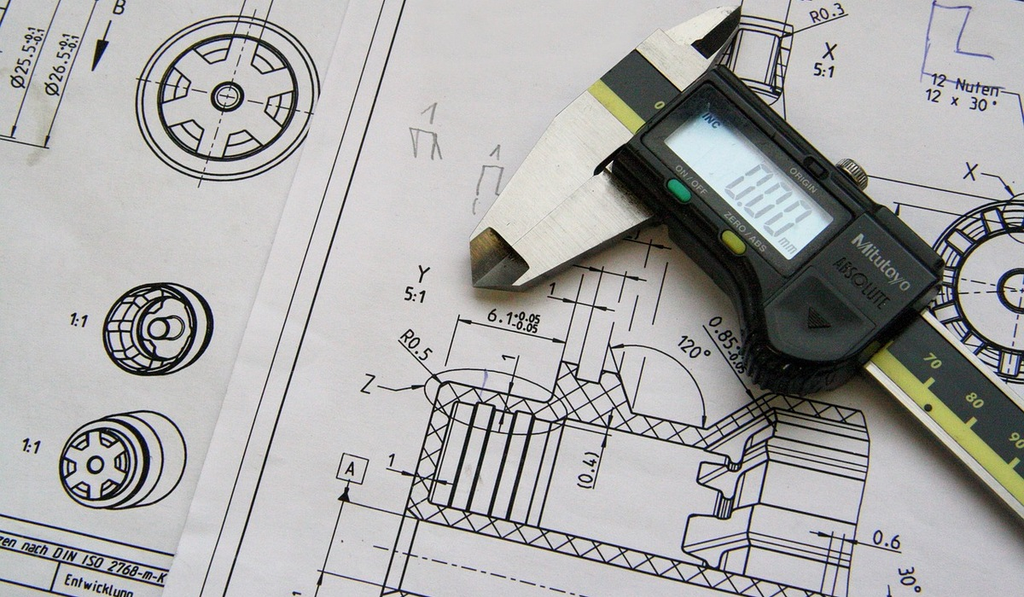
The first time a car of mine failed technical inspection, it was over a bolt. The fuel cell mounting hardware was one grade below what the rulebook specified, the inspector found it in about forty seconds, and I spent the rest of that Saturday watching other people race.
Three rulebooks do that job in Formula 1 rather than one, and the principle holds across all three. What is allowed has been written down by somebody. The checking is done by somebody else. Arguing about intent afterward has never once worked for anybody.
Three books, and what each one is for
| Rulebook | What it decides |
|---|---|
| Technical Regulations | The car: dimensions, weight, materials, aerodynamics, power unit, crash tests |
| Sporting Regulations | The event: session formats, start procedure, parc fermé, flags, penalties, safety car |
| Financial Regulations | The money: the cost cap, what counts toward it, what sits outside, and how it is audited |
| Who enforces them | The FIA, through scrutineering, race control and the stewards for the first two, and a financial audit for the third |
| Where to find them | Published free on the FIA site as numbered articles, revised separately |
Structure as published by the FIA, checked in October 2026. A car can be legal under one book and illegal under another.
The car belongs to the Technical Regulations. Dimensions and weight live there, along with materials, the permitted behavior of every aerodynamic surface, the construction of the power unit and the list of tests the structure has to survive.
The event belongs to the Sporting Regulations. Session formats. Start procedures. Penalties, parc fermé and flags. What happens when it rains, and what happens when somebody gets lapped.
The money belongs to the Financial Regulations. A spending limit is set there, together with the rules on what counts toward it and what does not, and with the audit the FIA runs on all of it.
Those three books are published separately, revised separately and enforced by different people inside the same organization. A car can be legal under one and illegal under another, which is a sentence that only makes sense once you have read all three.
What the technical book changed for 2026
| 2026 technical change | Figure |
|---|---|
| Minimum weight | 768 kg, down about 30 kg from the previous limit |
| Wheelbase | Reduced by 200 mm to 3,400 mm |
| Car width | Reduced by 100 mm to 1,900 mm |
| Tires | Narrower by 25 mm at the front and 30 mm at the rear |
| Aerodynamics | Active front and rear wings replace DRS, with a manual override for overtaking |
| Roll hoop test | Vertical impact requirement raised from 16 g to 20 g |
| Cost cap | 215 million dollars for a season of up to 24 races, with 130 million for power unit manufacturers |
Technical and financial figures for the 2026 regulations as published by Formula 1 and the FIA, checked in October 2026.
This is the year the numbers moved, and the table above has them. Smaller cars came first. Wheelbase down 200 millimeters to 3,400, width down 100 to 1,900. Minimum weight went to 768 kilograms, about thirty less than before, and that is the first real reduction anybody has managed in the hybrid era.
Active aerodynamics replaced DRS, with movable front and rear wings and a manual override for overtaking. Tires are narrower, by 25 millimeters at the front and 30 at the rear.
Safety requirements went up while weight came down, which is the hard part of the whole exercise. On the roll hoop, the vertical impact test went from 16 g to 20 g. Every kilogram saved therefore had to come from somewhere other than the structure keeping a driver alive.
What the sporting book actually governs
Everything that happens between Friday morning and the checkered flag, and most of what people argue about afterward.
The parts worth knowing are the ones that decide races. Parc fermé rules, which lock the car’s setup from the start of qualifying. The start procedure, including what counts as a jump start. Penalty structures, from five seconds to a grid drop to disqualification. And the safety car procedures, which have their own article and their own history.
Most of this book is procedural and nobody reads it until something goes wrong. Then it gets read extremely carefully, usually by people with legal training.
What the financial book counts
For 2026 the cost cap stands at 215 million dollars, over a season of up to 24 races. Power unit manufacturers work to a separate limit of 130 million.
Against the original 135 million that looks like an enormous jump, and mostly it is not one. A good part of the difference is spending that used to sit outside the cap and now counts toward it. Details of that sort rarely survive the trip from a headline into a conversation.
Driver salaries stay outside it, as do the three highest-paid staff. What the FIA does about breaches is a separate and much shorter section.
Where the three books collide
They are written separately and they interact constantly, which is where engineering actually happens.
Weight is the clearest example. The technical book sets a minimum of 768 kilograms. Getting a car down to it costs money, and the financial book caps how much. A team with a heavy car in March is choosing between carrying the weight and spending cap money to remove it, and that choice is worth tenths.
The sporting book then decides when any of it can be changed. Parc fermé means a setup choice made on Saturday morning is locked for the race, so a technical advantage has to clear a sporting deadline before it counts for anything.
How to read them without reading them
All three are published on the FIA site, free, in numbered articles. Light reading they are not, and no fan is expected to work through them.
Looking up the one article under argument is worth doing, though. Somebody on television calls a car illegal, or a penalty wrong. Two clicks later you have the text, and it usually runs shorter than the argument built on top of it.
There is a binder in my shop with coffee rings on the cover, and a jar on the shelf above it with one bolt in it. The protest went against me because the rule was perfectly clear and I had not read it. That is almost always the reason.
Questions about the F1 rulebooks
How many rulebooks does Formula 1 have?
Three: the Technical Regulations for the car, the Sporting Regulations for the event, and the Financial Regulations for the money. All are published separately by the FIA.
What is the minimum weight of a 2026 F1 car?
768 kilograms, roughly thirty kilograms less than the previous limit.
What replaced DRS in 2026?
Active aerodynamics, with movable front and rear wings, plus a manual override mode for overtaking.
What is the 2026 cost cap?
215 million dollars for a season of up to 24 races, with a separate cap of 130 million for power unit manufacturers. Driver salaries and the three highest-paid staff sit outside it.
Where can I read the F1 regulations?
On the FIA website, free of charge. All three books are published as numbered articles and revised separately.
Jake Holloway is a club racer, track-day instructor, and motorsports editor based near Charlotte, North Carolina. He has raced karts, Legends cars, Spec Miatas, and amateur endurance cars, and he writes for GreenyCars about how racing actually works, from the rule book to the pit lane.
More Stories
The Dakar Rally and Why Finishing It Counts as Winning
The Ten Greatest F1 Drivers, Ranked by a Club Racer
The F1 Circuits Every Fan Should Know, and What Each One Is For
The F1 Races That Stayed Unsettled Until the End
F1 Driver Nicknames, the Professor to Mr. Saturday