

The longest day I have had in a race car was fourteen hours of a club enduro, split four ways, in weather that could not decide what it wanted. I remember thinking, somewhere around hour eleven, that I now understood endurance racing.
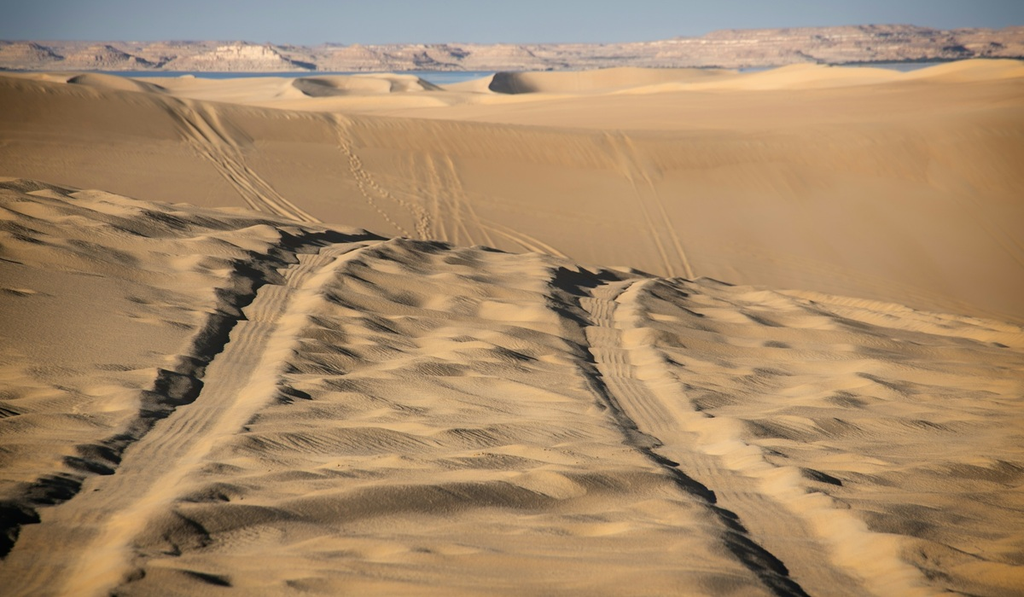
I did not. Two weeks of that is what the Dakar asks, alone in the cockpit, over roughly eight thousand kilometers of desert. Navigation comes off a paper roadbook. Nothing out there marks a track, and no line is painted on anything.
Finishing this one goes on a resume, which is true of no other event in motorsport. Everything below comes from the organizers and from reports of the 2026 edition, which ran in January.
What the race actually is
| The 2026 Dakar | Detail |
|---|---|
| Dates | 3 to 17 January 2026, the 48th edition |
| Where | Saudi Arabia, starting and finishing in Yanbu, with a rest day in Riyadh |
| Format | 14 race days, a prologue and 13 stages |
| Distance | Roughly 8,000 kilometers, or about 5,000 miles |
| Entry | More than 800 competitors, 431 vehicles, 69 nationalities |
| Cars winner | Nasser Al-Attiyah and Fabian Lurquin, Dacia Sandriders |
| Bikes winner | Luciano Benavides, by two seconds, the closest finish in the event history |
| Stock winner | Rokas Baciuska and Oriol Vidal, on Land Rover Defender debut |
Figures and results from the organizers and from reports of the January 2026 edition, checked in September 2026.
Two weeks, fourteen race days, a prologue and thirteen stages, starting and finishing in Yanbu on the Saudi coast with a rest day in Riyadh halfway through. More than 800 competitors entered across 431 vehicles, from 69 countries.
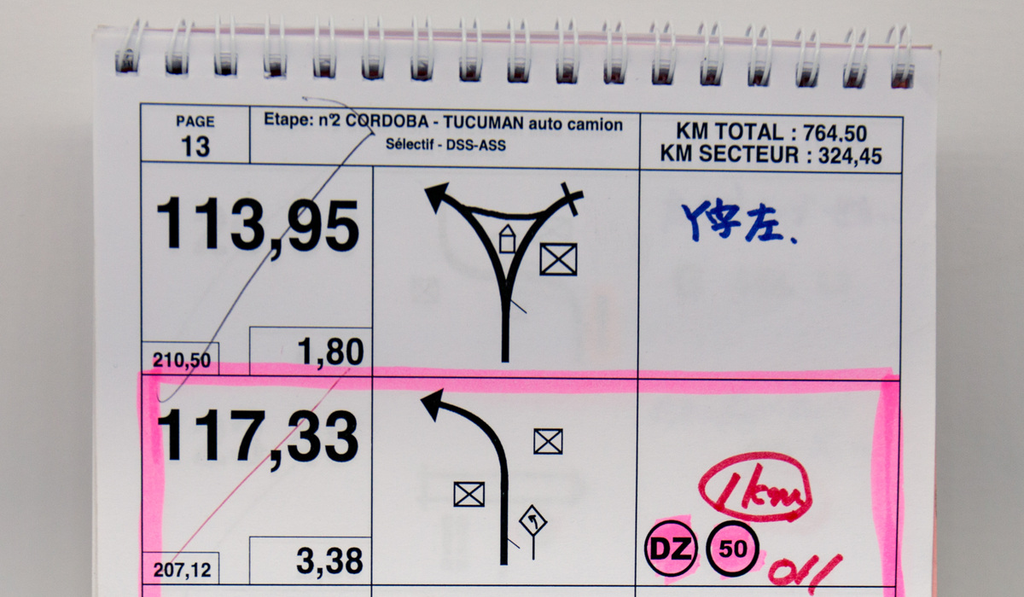
No circuit exists. Each morning a crew is handed a roadbook of instructions, distances and headings, and the navigation is as much of the competition as the driving. Get it wrong in open desert and you can lose an hour before anybody notices you are gone.
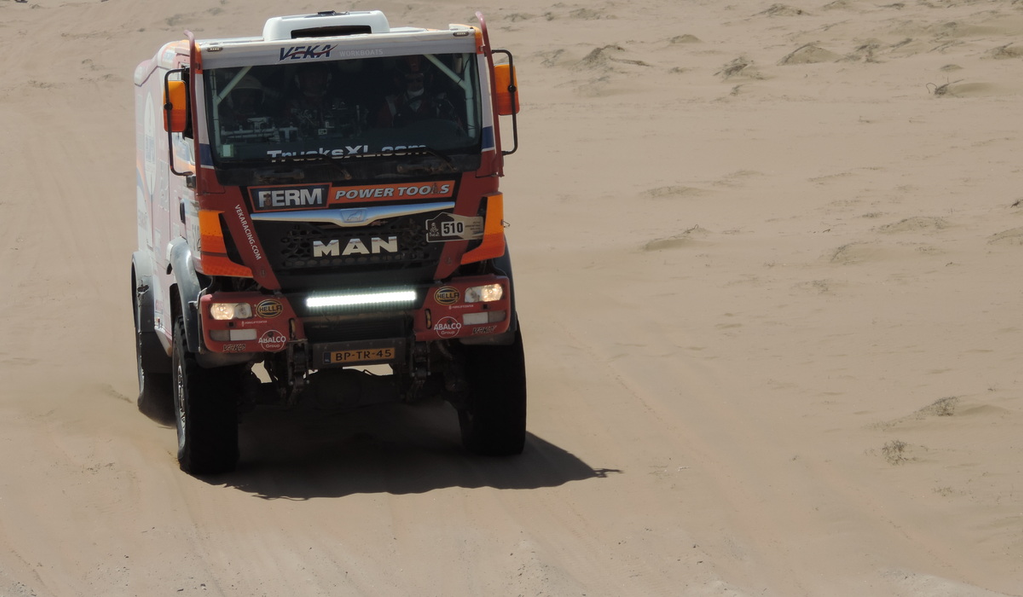
Motorcycles at one end, trucks at the other, and production-based cars, buggies and side-by-sides filling the space between them. All of them cover the same route, in the same heat, on the same day, which is a sentence that makes sense nowhere else in racing.
Where it came from
| Era | Route |
|---|---|
| 1979 to 2007 | Paris to Dakar, through Europe, Morocco and the Sahara to Senegal |
| 2008 | Cancelled over security threats in Mauritania |
| 2009 to 2019 | South America, across Argentina, Chile, Peru and Bolivia |
| 2020 onward | Saudi Arabia, with 2026 the seventh edition held there |
The name stayed with the event after the route left Africa. Thierry Sabine founded the rally after getting lost in the Libyan desert in 1977.
The idea came to Thierry Sabine in 1977, while he was lost in the Libyan desert, which is an unusual place to have one. Two years after that, in 1979, the first Paris-Dakar set off. France, then Spain, then Morocco, then the Sahara, and a finish in Senegal. That is where the name came from, and the name has outlived the route by a considerable margin.
Security in the Sahel ended the African route. The race moved to South America for a decade from 2009, and since 2020 it has run in Saudi Arabia. The 2026 edition was the forty-eighth, and the seventh held there.
What has not changed is the shape of the thing. A very long way, in sand, with navigation, on a timetable that does not care how you slept.
The 2026 edition, and the two seconds
Nasser Al-Attiyah won the car category with Fabian Lurquin for the Dacia Sandriders. Luciano Benavides won the bikes, and this is the part worth pausing on: he won by two seconds, after two weeks and eight thousand kilometers, which is the closest finish in the history of the event.
Two seconds. I have lost more than that to a badly timed yellow flag on a twenty-minute sprint race.
Land Rover entered the production-based Stock class for the first time and won it on debut, with Rokas Baciuska and Oriol Vidal finishing about four hours clear of the next car, also a Defender. Three cars covered a combined 24,000 kilometers between them.
The man they call Mr. Dakar
Stephane Peterhansel has won this race fourteen times, six on a motorcycle and eight in a car, from thirty-six starts. Nobody else is close, and at sixty years old he was still in the 2026 field, driving a production car in a class he had never contested.
He finished fourth in it, after being buried in sand with cars going past him at racing speed, and described the rally afterward as a really nice Dakar. That sentence tells you what kind of person wins this event fourteen times.
Why it is called the toughest race on earth
| Why it is called the toughest | What it means in practice |
|---|---|
| Duration | Two weeks of racing, with a single rest day in the middle |
| Navigation | A paper roadbook handed out each morning, and no marked track to follow |
| Isolation | Help is deliberately far away, and a wrong heading costs hours |
| Marathon stages | Two days without full service, with crews repairing their own vehicles |
| Mixed field | Bikes, cars, buggies, side-by-sides and trucks on the same route on the same day |
Format details as published by the organizers for the 2026 event.
Four things, and none of them is the speed. Duration, because two weeks is long enough for the body to start making its own decisions. Navigation, because a wrong heading in open desert costs hours rather than seconds. Isolation, because help is far away by design. And the surface, which changes under you and hides what it is doing.
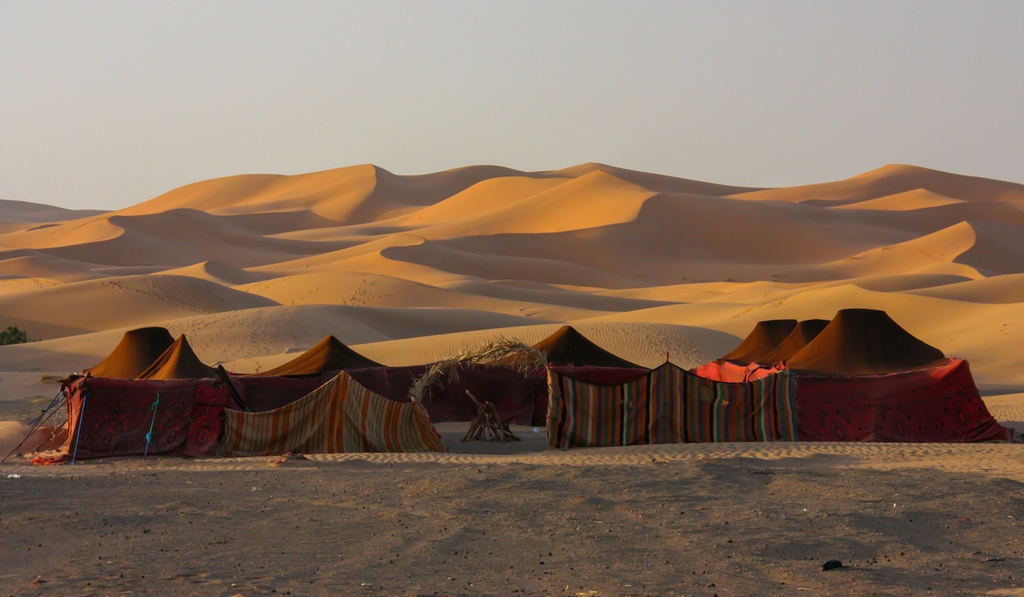
The marathon stages are where those four meet. Crews run two days without full service access, sleeping in a bivouac with whatever they carried, and repairs get done by the people who were driving the car all day.
Club racing has a tiny version of this, and it is the part I recognize. At the end of a long enduro you are making decisions with a brain that has been awake too long, and the mistakes stop being about talent. Dakar does that for fourteen days.
Whether it is worth watching
It is, though not the way a Grand Prix is. There is no wheel-to-wheel racing and no grandstand. What there is instead is a daily report of who made it, who is walking, and who lost an hour to a dune that looked identical to the one beside it.
The appeal is the same one that fills club paddocks on Saturday mornings. Somebody out there is finding out what they can actually do, and the answer arrives in public, over two weeks, in a place where nobody can help them.
I have never entered anything like it and I never will. I would still rather read the Dakar standings each January than most race results that come out of a proper circuit.
Questions about the Dakar
How long is the Dakar Rally?
Two weeks. The 2026 edition ran from 3 to 17 January over 14 race days, covering roughly 8,000 kilometers.
Where does the Dakar Rally take place now?
Saudi Arabia, since 2020. It ran from Paris to Dakar until 2007 and in South America from 2009 to 2019.
Who has won the Dakar Rally most often?
Stephane Peterhansel, with 14 victories, six on a motorcycle and eight in a car, from 36 starts.
Do competitors use GPS navigation?
Not for the route. Crews follow a paper roadbook of headings and distances handed to them before the stage.
Who won the 2026 Dakar Rally?
Nasser Al-Attiyah in the car category and Luciano Benavides on bikes, the latter by two seconds after two weeks of racing.
Jake Holloway is a club racer, track-day instructor, and motorsports editor based near Charlotte, North Carolina. He has raced karts, Legends cars, Spec Miatas, and amateur endurance cars, and he writes for GreenyCars about how racing actually works, from the rule book to the pit lane.
More Stories
The Ten Greatest F1 Drivers, Ranked by a Club Racer
The F1 Circuits Every Fan Should Know, and What Each One Is For
The F1 Races That Stayed Unsettled Until the End
F1 Driver Nicknames, the Professor to Mr. Saturday
How Endurance Racing Works, from Four Hours to Twenty-Four